透视全球风险与重构中的“六大关键”研究框架
聚焦区域国别研究的六大关键
围绕关键矿产、关键物资、关键基础设施、关键产业和技术、关键主体与关键规则,连接全球政治经济的结构变化。
平衡学会以跨学科视野连接研究、咨询与资助体系,推动面向全球现实问题的知识生产。
了解愿景 ↗六大关键Six Strategic Pivots
围绕关键矿产、关键物资、关键基础设施、关键产业和技术、关键主体与关键规则,构建面向国家发展、安全与全球治理的‘六大关键’研究框架。

关键矿产Critical Minerals
锂、钴、镍、稀土等关键矿产及其全球供应链。Critical minerals, mining governance and supply chains.

关键物资Strategic Supplies
能源、粮食、工业原料与其他战略性关键物资。Energy, food and other strategic supplies.

关键基础设施Critical Infrastructure
交通、通信、网络、金融与能源等关键基础设施。Transport, communication, finance and energy infrastructure.

关键产业和技术Strategic Industries & Technologies
战略性新兴产业、关键技术能力与全球产业链重组。Strategic industries, advanced technologies and production networks.

关键主体Key Actors
国家、国际组织、跨国企业与专业网络等中微观行动者。States, firms, organizations and professional networks.

关键规则Critical Rules
国际政治、经贸、法律与行业标准等规则体系。Political, legal, economic and technical rule systems.
最新洞察Latest Insights
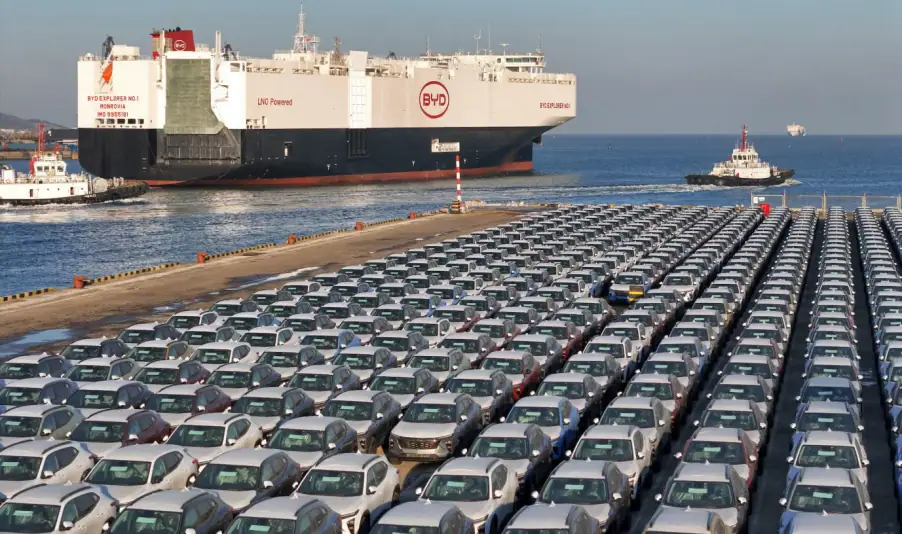
一个比亚迪内部人的独家揭底: 中国电车出海的真正隐患|区域评论The Real Challenges for Chinese EVs in Europe
中欧新能源汽车的博弈正步入新阶段。继2024年对中国纯电动汽车加征反补贴关税后,近期欧盟又拟将关税措施扩展至插电混动(PHEV)车型。面对欧洲政客和国际舆论反复炒作“产能过剩”“政府补贴”“倾销”等论调,2026年7月28日,中国商务部发布万字文件《关于所谓“产能过剩”问题的中方立场》,明确指出中国新能源产业的崛起源于创新驱动与产业协同,从政策层面系统回应了外界的误读与质疑。The game of new energy vehicles between China and Europe is entering a new stage. Following the imposition of countervailing tariffs on Chinese pure electric vehicles in 2024, the EU recently plans to extend tariff measures to plug-in hybrid (PHEV) models. In the face of repeated hype by European politicians and international public opinion about "overcapacity", "government subsidies" and "dumping", on July 28, 2026, China's Ministry of Commerce issued a 10,000-word document "China's Position on the So-called "Overcapacity" Issue", which clearly pointed out that the rise of China's new energy industry stems from innovation-driven and industrial collaboration, and systematically responded to the misunderstandings and doubts from the outside world at the policy level.

一夜震惊后, 特朗普“新门罗主义”到底还藏着什么计划? |区域评论The New Monroe Doctrine: What Else Lies Ahead?
2026年1月3日,美国悍然派兵入侵委内瑞拉并强行将委内瑞拉总统马杜罗夫妇押送美国。这一霸权行径令全球震惊,也再次引发关于美国战略调整特别是“门罗主义”回归的争论。特朗普第二任期的美国西半球政策,通常被外界称为“懂罗主义”(Donroe Doctrine)。部分人认为这是美国霸权扩张的信号,但其本质为何是霸权收缩?为何美国在霸权收缩时期反而更显“霸道”?特朗普的“胜利主义叙事”与美国霸权战略调整之间有何关联?读懂这些问题,不仅有助于我们理解特朗普政府的根本逻辑,更有助于我们把握国际秩序的未来走向。On January 3, 2026, the United States brazenly sent troops to invade Venezuela and forcibly escorted Venezuelan President Maduro and his wife to the United States. This hegemonic act shocked the world and once again triggered debate on the adjustment of US strategy, especially the return of the "Monroe Doctrine". Trump’s U.S. Western Hemisphere policy during his second term is often referred to as the “Donroe Doctrine” by outsiders. Some people think this is a signal of expansion of US hegemony, but why is it essentially a contraction of hegemony? Why does the United States become more "hegemonic" during a period of shrinking hegemony? What is the connection between Trump’s “triumphalist narrative” and the strategic adjustment of U.S. hegemony? Understanding these issues will not only help us understand the fundamental logic of the Trump administration, but also help us grasp the future direction of the international order.
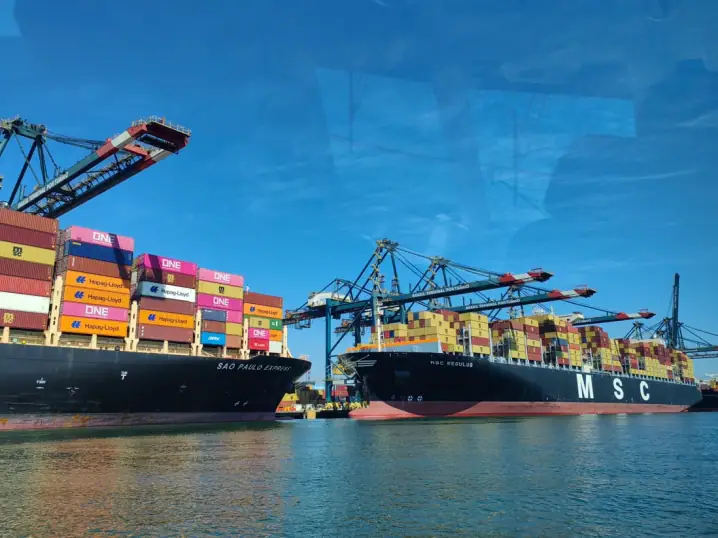
李巍: 南美20天, 我在美国“后院”看见中国的远方|调研纪行Twenty Days in Latin America: Li Wei
与中国相隔万里的拉丁美洲,坐拥顶尖资源禀赋、海量人口与广袤土地,是全球南方极具发展潜力的区域,却长期深陷发展困境、难以突破中等收入瓶颈,成为全球地缘经济中极具悖论性的特殊存在。由于拉美地理遥远、与中国国情悬殊,我们对拉美政经体系、发展困境与地缘格局的理解始终隔靴搔痒,拉美研究也成为中国区域国别研究体系的相对短板。Thousands of miles away from China, Latin America has top resource endowments, a massive population and vast land. It is a region with great development potential in the Global South. However, it has been stuck in development difficulties for a long time and has difficulty breaking through the middle-income bottleneck. It has become a very paradoxical and special existence in the global geo-economy. Due to the geographical distance of Latin America and the vast differences in national conditions between China and China, our understanding of Latin America’s political and economic systems, development dilemmas and geographical patterns has always been inadequate. Latin American studies have also become a relative shortcoming of China’s regional and country research system.
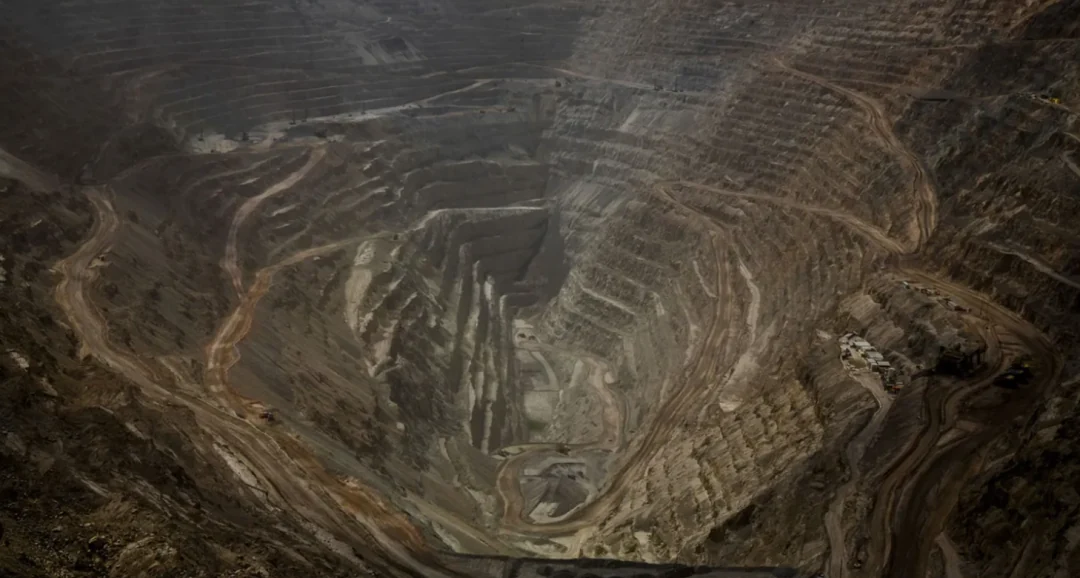
一纸禁令掀翻铜市, 资源富国困局缘何百年难解?A Single Ban Upends the Copper Market: Why Have Resource-Rich Countries Been Trapped for a Century?
据媒体报道,刚果(金)6月底发布禁令,全面禁止铜精矿和钴精矿出口,消息发酵后迅速点燃市场情绪,8月7日LME铜价一度逼近历史高位。分析人士认为,虽然多数中资矿企因已在当地布局冶炼产能、主要出口阴极铜和氢氧化钴而暂未直接受限,但需警惕的是,刚果(金)正试图告别“低价卖矿”,以资源管制倒逼深加工和产业链本地化。这并非孤例,而是全球南方资源国正在重新夺回矿产定价权与发展权的缩影。为何单一资源国的一纸禁令,就足以撬动全球市场?本文以智利为核心样本,对这一问题进行了系统分析,文章指出:第一,铜、锂不仅塑造了智利百年来的国家认同,也不断牵动国有化、市场化与资源主权之争;第二,拆解铜、锂作为绿色转型、AI 算力产业的战略刚需地位,剖析中美在拉美关键矿产领域的竞合格局,预判智利政策转向带来的全球供应链外溢效应;第三,横向对比南非、印尼、刚果(金)三类南方国家矿业治理路径,总结资源国试图摆脱 “资源诅咒” 的不同探索与固有局限。智利虽坐拥全球19%铜、31%锂、56%铼储量,矿业政策具备全球传导性,但百年间始终在管控、开放与资源自主间反复摇摆,战略影响力有限。文章由此揭示资源禀赋不等于战略优势,唯有持续将资源优势转化为定价权、产业能力与治理能力,才能掌握全球矿产格局的谈判话语权。因此研判全球关键矿产格局,不能只看资源分布与短期政策,更需读懂资源国制度的底层逻辑,方能有效应对市场波动。the media reported that the Democratic Republic of the Congo had issued a ban on all exports of copper and cobalt concentrate at the end of June, and that the news had quickly ignited market sentiment, with the price of LME copper at a time of historic highs on 7 August. The analysts believe that, while most Chinese-owned mining companies are not directly constrained by the local deployment of smelter capacity, the main exports of cathode copper and cobalt hydroxide, it is important to be vigilant that the Democratic Republic of the Congo is trying to leave "selling minerals cheaply" in order to exert resource control to push deep processing and localization of the industrial chain. This is not an isolated case, but a microcosm of the right to development and the right to mineral pricing being reclaimed by the countries of the global South. Why is a single resource country ban enough to drive the global market? The following is a case study of the problem, which is based on the Chilean core: first, copper and lithium have not only shaped Chile's national identity for a hundred years, but have also been increasingly associated with nationalization, marketization and resource sovereignty; Second, the strategic position of the industry to dismantle copper, lithium as green transformations, AI computing industries, and the analysis of the competition between China and the United States in key mineral areas in Latin America predetermine the spillover effects of the global supply chain of the shift in Chilean policy; Third, a horizontal comparison of the mining governance paths of the three Southern countries of South Africa, Indonesia and the Democratic Republic of the Congo summarizes the different explorations and inherent limitations of resource countries that are trying to escape the "resource curse". Although Chile has a global reach of 19 per cent copper, 31 per cent lithium and 56 per cent of global rhenium reserves, and mining policy has global reach, it has been twirling over the centuries between regulation, openness and resource autonomy, with limited strategic impact. The article thus reveals that resource endowments do not amount to strategic advantages and that only by continuing to translate resource advantages into pricing rights, industrial capacity and governance capacity can the negotiating voice of the global mineral landscape be mastered. Thus, the global key mineral patterns cannot be judged solely by resource distribution and short-term policies, but by a better understanding of the underlying logic of the resource-country system, which can effectively respond to market fluctuations.
研究和咨询方向Research & Advisory Areas
从国际地缘、科技创新和产业重组出发,组织问题导向型研究与分析。

国际地缘Geopolitics
理解国家、地区与跨国主体关系变化中的安全风险与合作空间。Understand security risks and cooperation across states, regions and transnational actors.

科技创新Technology & Innovation
研究全球技术突破、扩散、制度竞争与不同发展阶段的创新能力。Explore technological breakthroughs, innovation policy and global competition.

产业重组Industrial Restructuring
研究全球产业分工调整、供应链重塑与不同国家的发展战略。Study industrial transitions, supply chains and national development strategies.